I want to start with the moment I finally admitted something was wrong. I was sitting at my desk at about half past four, and I realised I had been reading the same line on my screen three times. Not because it was complicated — because the words had gone soft at the edges. I leaned in, squinted, blinked hard, and for a second it snapped back. Then it drifted again.
I told myself I was just tired. That is what we all tell ourselves. But that afternoon I started paying attention, and once you start paying attention to your eyes, you cannot un-notice it. This is the story of what I found — and what finally made my evenings feel human again.
Part oneA life measured in screens
Let me describe an ordinary day, because I suspect it looks a lot like yours. My alarm is a screen. I check my phone before my feet hit the floor. On the drive in I glance at maps. At work it is a laptop for spreadsheets in the morning, a second monitor for email, and my phone buzzing on the desk all day. Lunch is eaten one-handed while I scroll. The afternoon is video calls, where I am staring not just at a screen but at my own tired face in the corner of it.
Then I get home and — what do I do to relax? I look at another screen. Series on the TV, phone in my hand at the same time, maybe a bit of shopping or messaging before bed. If I add it up honestly, my eyes are locked onto a glowing rectangle for the better part of my waking life. And I had never once stopped to ask what all of that was doing to them.
Part twoHow it crept in
It did not arrive all at once. Looking back, it came in stages, so gradual that each one felt normal. First it was just that end-of-day tiredness — my eyes felt heavy, and I would rub them without thinking. I put it down to long hours and bad sleep.
Then came the dryness. That gritty, sandy feeling, like there was not enough moisture to go around, especially in an air-conditioned office. I started keeping eye drops in my drawer. Then the headaches: not migraines, just a dull, pressing ache that settled behind my eyes and across my forehead every afternoon, right on schedule. I took paracetamol and blamed stress.
And running underneath all of it, the blur. That soft-focus feeling where the screen — and then the whole room — loses its sharp edges by the end of the day. The moment that scared me a little was when it followed me out of the office.
It wasn’t my eyesight getting worse. It was my eyes never getting a single moment’s rest from the glare.Part three
When it followed me home
The office I could explain away. But then I noticed my phone looked fuzzy on the couch in the evening, the text swimming slightly until I held it further away. I noticed I had quietly stopped reading in bed — a thing I had loved my whole life — because my eyes were simply too tired to focus on the page after a day of screens.
And then there was the driving. On the way home after dark, oncoming headlights no longer looked like clean points of light. They scattered and smeared into starbursts and halos, and the glare left me blinking to clear my vision. I found myself gripping the wheel a little tighter, driving a little slower, feeling a little less sure. That was the one that made me think: this is not just tiredness. Something about how my eyes are coping with light has changed, and it is changing how I live.
What screens actually do to your eyes
I am not an optometrist, and this is not a medical article. But I finally read enough to understand the basics, and it made everything click into place. When you stare at a screen, two quiet things happen at the same time.
First, you blink far less than normal — studies put it at around a third of your usual rate. Blinking is how your eyes stay moist and clean, so when you blink less, they dry out. That is the grittiness. Second, a screen sits close to your face, and your eyes have to hold a tight, near focus on it for hours without a break. Muscles held in one position for that long get tired — that is the strain, the ache, and the slow refocus when you finally look up at something far away.
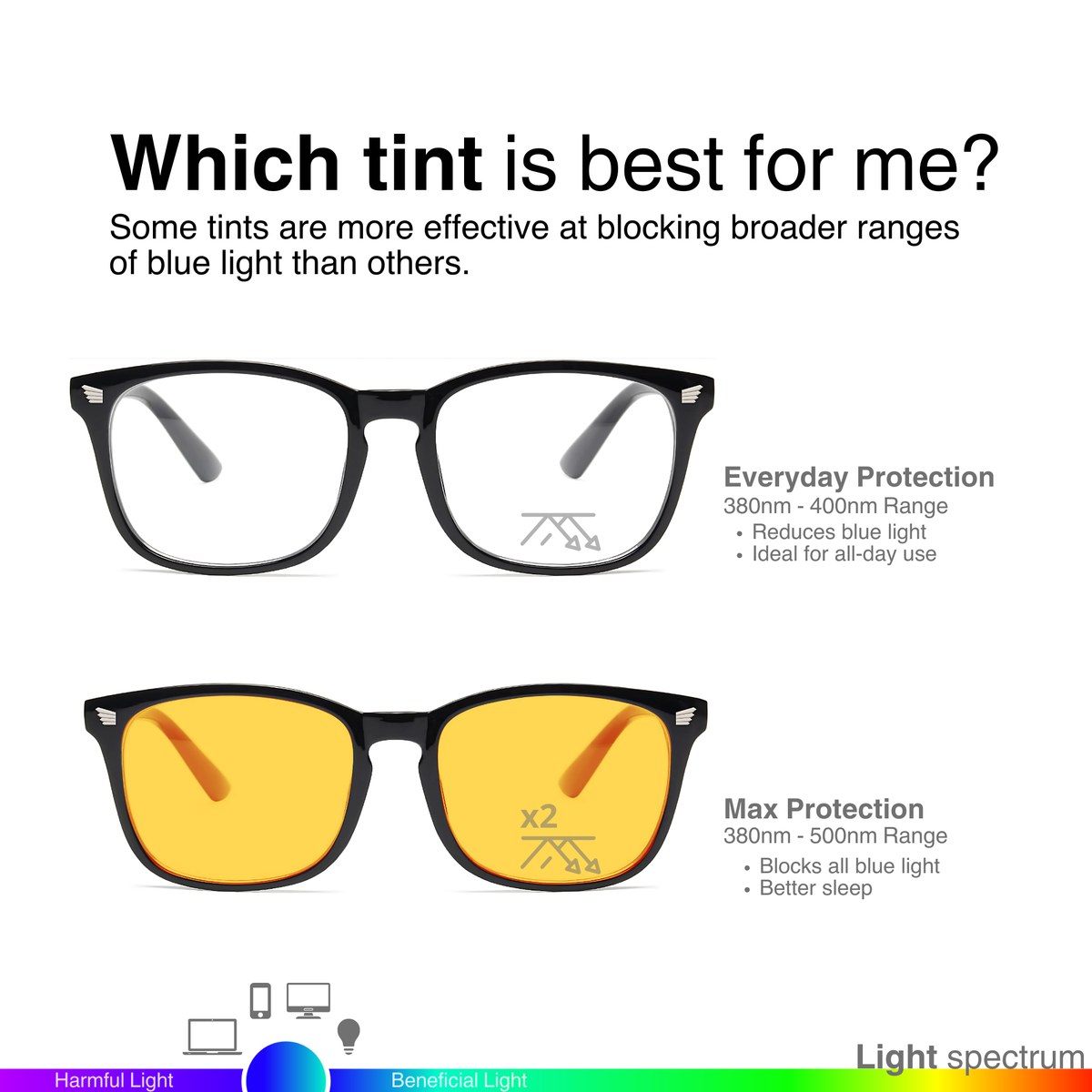
Add to that the harsh, bright, blue-heavy light that screens throw at you, often in a dim room, and you have a recipe for eyes that feel fried by evening. The blurry vision, I realised, was not a sign that my eyesight was failing. It was the completely logical result of asking my eyes to do a hard, unnatural thing for sixteen hours a day, every day, with no relief.
- The many faces of tired, screen-strained eyes
- The soft, blurry vision that sets in after hours of screens and clears a little overnight.
- Dry, gritty, burning eyes that make you reach for drops or rub them.
- A dull headache behind the eyes and across the forehead, arriving every afternoon.
- Harsh glare from bright white screens and pages, especially in a dark room.
- Slow refocusing — that lag when you look from the screen to something across the room.
- Halos and starbursts around headlights and streetlights when driving at night.
- Heavy, tired eyes in the evening that make reading or focusing feel like too much effort.
When I saw them written out like that, I stopped feeling like a hypochondriac. These were not seven separate problems. They were one thing — overworked eyes — wearing seven different masks. And if it was one thing, maybe there was one simple way to take some of the load off.
Part fiveThe colleague who never squinted
A colleague noticed me rubbing my eyes and pressing my fingers to my temples one afternoon. She said something simple: “It’s the screens, you know. Try a pair of the blue-light glasses. I don’t end the day squinting anymore.”
I had seen those glasses around and quietly filed them under ‘gimmick’. But here was someone who did exactly my job, stared at exactly the same screens all day, and did not spend her evenings with tired, gritty, aching eyes. She wore hers from the moment she sat down. “They don’t fix your eyesight,” she said, careful not to oversell it. “They just take the harsh edge off the screen, so my eyes aren’t fighting the glare all day. That’s the whole trick.”
Part sixThe first day I wore them
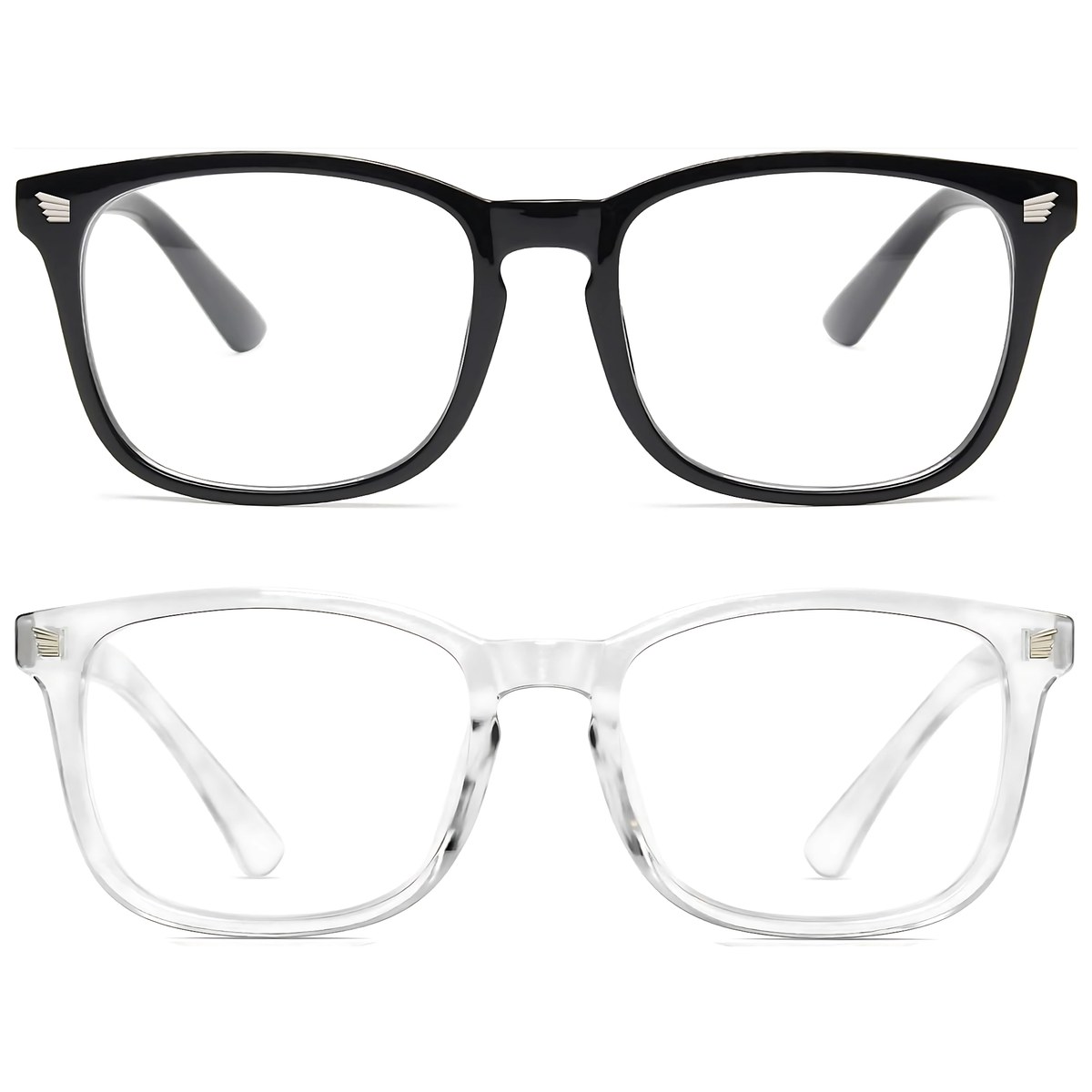
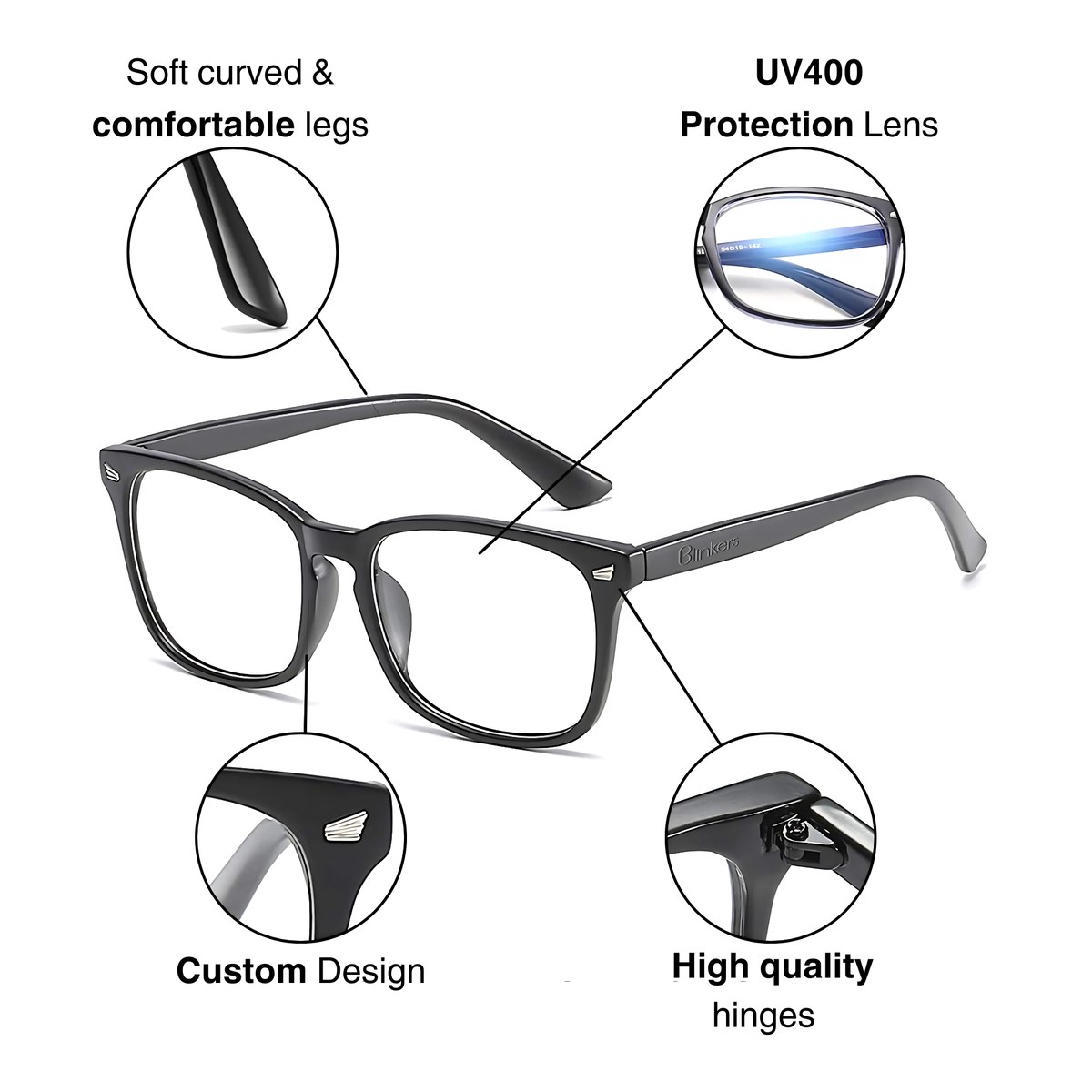
I’ll be honest: I expected nothing. A pair of light, clear glasses that filter the harsh blue glare from screens and soften how bright pages hit your eyes — it did not sound like enough to matter. They don’t correct your vision and they are not a medical device. They are, in the end, a simple, comfortable pair of glasses.
But the first full day I wore them, I noticed what didn’t happen. My eyes weren’t dry and burning by five o’clock. The screen didn’t feel like it was glaring back at me — it looked softer, calmer, easier to sit in front of. And the afternoon ache behind my eyes, the one that arrived every single day like clockwork, simply wasn’t there. I wasn’t leaning in and squinting to keep the text sharp.
For the first time in longer than I could remember, my eyes at 6pm felt roughly the way they had at 9am.
What actually changed
The change was not dramatic, and I think that is exactly why I trust it. Nothing about my eyesight was suddenly ‘better’. What changed was comfort. I got to the end of the day with something left in the tank. I picked up a book in bed again, because my eyes were not too tired to focus on the page. The evening drive home stopped feeling like a squint-fest, because I was not already starting from fried, glare-worn eyes.
And there was a knock-on effect I did not expect: I was sleeping a little easier. Not being wired and wide awake from a bright phone screen at eleven at night made a difference. When your eyes are calmer in the evening, your whole wind-down is calmer too. It is a small thing. But your eyes carry you through every single hour of your day — and a small thing that makes them feel better turns out to be worth an enormous amount.

How they fit into my day now
They live on my desk, and I put them on the moment I sit down in the morning — the same automatic gesture as opening my laptop. I wear them through the work day, and I put them back on in the evening for screen time on the couch, when I don’t want to be buzzing and wide awake at midnight from a bright phone.
If I could say one thing to the version of me who was quietly rubbing her eyes and blaming tiredness, it would be this: you do not have to just accept blurry, gritty, aching eyes as the price of a modern working life. Before you assume something is wrong with your eyesight, it is worth taking the easiest, cheapest step first — taking the harsh glare off the screens you stare at all day — and seeing how much of that end-of-day blur was simply your eyes being overworked and under-rested.
Part nineWho this is really for
When I started talking about this, the same nod of recognition came from all kinds of people. The developer whose eyes are streaming and gritty by the end of a day of code. The student who reads on a bright screen until midnight and wonders why the words start swimming. The call-centre agent locked to a monitor for eight hours, fighting a headache behind the eyes by mid-afternoon. The gamer whose vision goes soft and whose eyes burn after a long session. The person who, like me, quietly gave up reading in bed because their eyes had nothing left.
What they share is not a diagnosis. It is that familiar end-of-day picture: blurry, tired vision, dry and gritty eyes, a dull ache behind them, and screens that feel harsh and glaring instead of comfortable to look at. That is exactly the everyday screen strain a pair of blue-light glasses is meant to ease — not by correcting your eyesight, but by taking the harsh edge off the light your eyes are fighting all day.
If your eyes feel fine after a long day on screens, then this simply isn’t for you, and that’s wonderful. But if you recognised yourself in even a couple of those moments — the 4pm blur, the gritty dryness, the ache, the glare, the tired eyes at night — then at least now you know you’re not imagining it, and that the easiest, cheapest thing to try is right there.
Questions people askThe questions I get most
My vision is blurry and my eyes ache after screens. Isn’t that just my eyesight getting worse?
It might be worth an eye test either way — that’s always the sensible first step. But for me, a lot of that end-of-day blur and ache turned out to be plain screen strain: overworked, dried-out eyes with no rest from the glare. Softening the screen took a surprising amount of it away.
Do I need a prescription for these?
No. These are simple clear-lens blue-light glasses — no prescription, nothing complicated. They are about comfort, not vision correction.
Can I wear them for gaming and evening TV too, not just work?
That’s exactly when a lot of people feel the difference. Any long stretch in front of a bright screen — work, gaming, scrolling, series at night — is where tired, strained eyes show up, so that’s where the glasses earn their place.
Will they actually help with the headaches and dry eyes?
I can only speak for myself: the afternoon ache behind my eyes and that gritty, dry feeling both eased once I stopped staring straight into harsh screen glare all day. They’re a comfort tool, though — if headaches or dryness are severe or ongoing, that’s one for a professional.